Learn, play, and grow with Keyboard lessons for kids, teens, and adults at Pleasant Mountain Music.
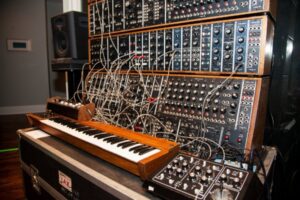
Pleasant Mountain Music is proud to offer keyboard lessons in Vancouver for all ages and experience levels. Whether you’re just learning middle C, tackling your next twelve bar blues solo, or returning composition after a long break, we’ll meet you wherever you are at. Our instructors help you build excellent foundational skills while keeping lessons fun, progressive, and encouraging.
About The Keyboard
- Ideal for: all ages of people including young beginners (ages 4-6), people who don’t know where to start their music journey and for anyone who already has previous playing experience on a different instrument but would like to branch out into songwriting and arrangement/orchestration
- Great because: In numerous bands, the keyboardist is perhaps the most important member. He/she usually helps to write, arrange, and even co-produce tracks. They’re also the ones who know how to read music while everyone else is winging it
- Lesson options: We offer in person lessons on acoustic and digital pianos at our Granville Street studio. Remote or ‘online’ lessons are possible depending on your set up at home
- Common styles: video game music, film and television scores, prog rock/metal/jazz, live on stage with numerous genres such as rock and roll, jazz, world music, pop, funk, ska, and EDM, just to name a few
What This Instrument Is Like (background + where you hear it)
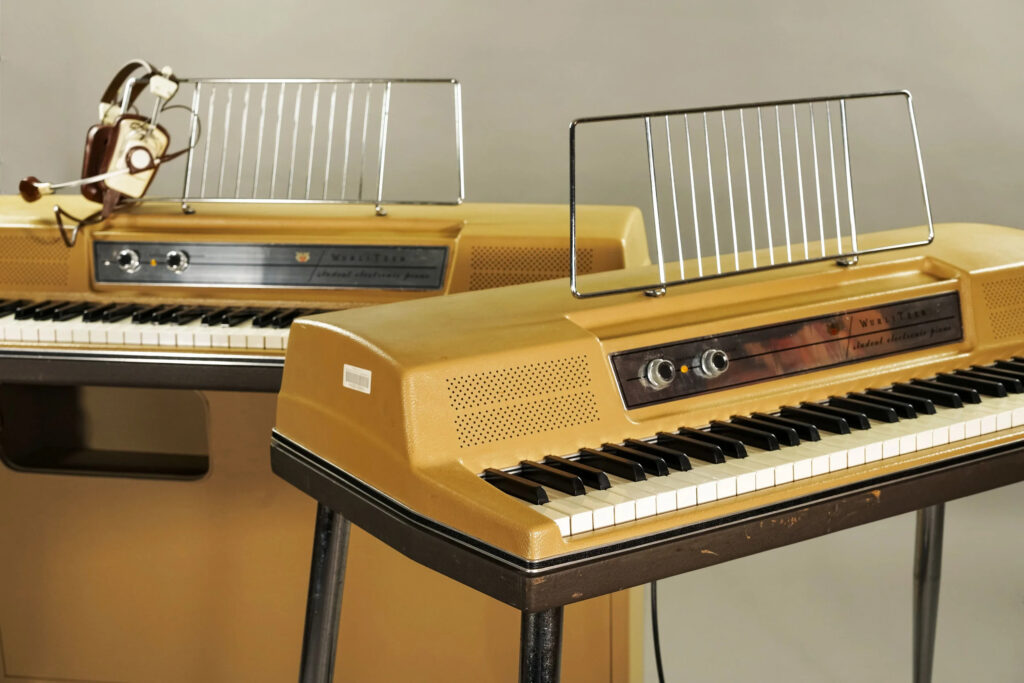
The keyboard has many faces…or sounds if you will. It can be the core sound of an entire album, or it can just keep the groove going while other players take the limelight. It can add background atmosphere and intrigue to a composition or take front stage as a solo instrument.
For younger students, keyboard is a great fit because a lot of keyboard playing overlaps with piano playing, so there are multiple method books designed specifically for the young beginner, which keeps lessons fun and age-appropriate. For adults, keyboard is a great instrument to start on, or with which to expand your musicianship skills. Especially if you’re looking to add some character to your already existing music projects.
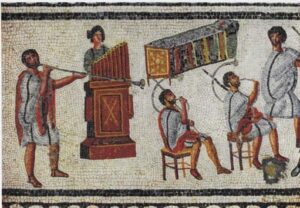
The history of keyboard instruments dates back quite far, as far as the medieval and renaissance periods of western Europe. Church organs, for example, were commanded by a keyboard that upon pressing, would activate a pipe which would release a sound to be heard. Over time, more portable version of the pipe organ were concocted, and as instrument makers got creative, and performers also demanded more of their instruments, a whole family of keyboard instruments was created: harpsichords, virginals, celestes, accordions, the fortepiano and pianoforte. In the age of electricity, the instrument really took off with Hammond organs, Wurlitzers, Fender Rhodes, and a whole host of synthesizers, each with their own charm and idiosycrasies (think the Juno, the Fairlight, ARP Odyssey, Clavinet and more). The keyboard that we know today is actually the product of many years of input and development by a multitude of curious musicians, composers, and performers who all contributed to the wide array of sounds and tones/
This makes the keyboard quite versatile: it finds itself quite at home in multiple genres such as rock and roll, jazz, big bands, world music, singer-songwriter, pop, funk, ska, EDM, prog rock and experimental genres, and rap, to name a few. It can both be the main sound and focus, or blend into the background of the overall texture of a work of music.
A recent development in keyboard technology is the reintroduction of the short scale piano! The Athena-brand digital piano uses a 5.5 inch octave, instead of the standard 6.5 inch octave. This allows less strain on the hands of a developing pianist or small-handed human while they learn to play. Learn More about the Small Scale Piano at PMM
Getting Started & Instrument Costs
You don’t need the “perfect” setup to start, just something that fits your budget and your space.
What you’ll need for your first lessons:
- Digital pianos and keyboards: Yamaha, Roland, Casio, Korg, and Nord brand keyboards area all great brands with base-models for the entry-level/beginner student. Your first instrument should have a full 88-keys and ideally touch-sensitivity. Most modern keyboards have a touch-sensitive function built-in. Definitely ask if the keyboard you’re looking at comes with a headphone jack and built-in speakers. You’ll want both of these in the early days of keyboard training to save you from investing in an amp or outboard speaker set
- Basic accessories: apart from the keyboard itself, you’ll benefit from having a keyboard stand, bench or stool to sit or perch on, a music stand, and a sustain pedal or foot switch
- Practice space: the keyboard is headphones friendly so as long as you have a corner, nook, or room with dedicated space for the keyboard perhaps 2 x 4 meters (or about 3.5 x 6 ft) you won’t disturb other activities that take place in the home!
Typical starter investment:
- Entry-level/rental: you’ll likely spend $100-$250/month to rent a new or used mid-range keyboard. A used digital piano can cost anywhere from $500-$2000 to purchase outright, depending on the brand and make/model and how recent the instrument is (like a lot of technology, digital pianos loose their value after enough years go buy because of technological developments). New Digital pianos can cost $1,000-$6,000. Keyboards like Casio and Yamaha offer $500 keyboards new, but be sure they actually have a full 88-keys before investing.
- Step-up instrument (after a few years): For stage performers the industry standard is the Nord Electro series keyboard (about $3,500-$7,000 depending on the model), with Roland Juno and Korg stage keyboards placing a close second. It’s not uncommon for keyboard players to have 2-5 keyboards with slightly different features, effects, and onboard sound banks…so you’ll want to be picky about which you buy, unless you have the space for a dozen or more keyboards in your home.
We’re always happy to recommend brands, local shops, or rental options so you don’t overspend or buy something that will hold you back.
How Lessons Work: Learn / Love / Live to Play
Learn to Play – Solid foundations
In our Learn to Play stream, we focus on building reliable technique and musicianship. You’ll work on:
- Technique – hand shape, posture, gesture, scales, chords, time signatures, rhythm, and tempo
- Reading notation – Sheet music is a core part of keyboard methodology, so understanding it is incredibly helpful for songwriting and arrangement. It’s doesn’t have to happen overnight however, and instructors will introduce sheet music as-and-when the student is ready for it
- Ear Training – and emphasis on ear-training or playing by ear is very helpful for keyboard musicianship. Especially in the early days of reading notation which can take some time playing by ear can be quick and rewarding
- Theory – Since reading sheet music is commonplace, basic theory is often mixed into lessons, even early on. Most method books, and any teacher worth their salt, however, will absolutely do their best to make the theory components fun, and easy to follow
- Repertoire – There’s so much to choose from when learning the keyboard: cool jazz shuffles, incredibly intricate fugues, toe-tappin’ rhythm and blues riffs, as well as more contemporary genres than you could shake a fist at (film and television scores, pop music, and video game sound tracks)
This stream is great for students who like structure, clear milestones, and/or who want to pursue exams, school band, or eventually register for post-secondary music programs.
Love to Play – Play for joy
In our Love to Play stream, we design lessons around what you actually want to play. That might include:
- Learning specifically your favourite song or style
- Self-accompanying while singing
- Acquiring both piano, and general music, appreciation skills
- Prepping for your annual ‘we’re getting the band back together’ jam session or show
- Providing you basic theory “as needed” to support your goals
- Offering you low-pressure performance opportunities (only if you want them)
- Songwriting and composition opportunities
The Love to Play stream is perfect for students who want music as a creative outlet without the pressure of exams, competitions, or public performances.
Live to Play – Preparing for the professional path
For students ready to take things further, our Live to Play stream of study helps you move from “pretty good” to “gig-ready”. Live to Play students will master:
- Advanced technique, theory, and repertoire
- Audition and performance preparation (if applicable)
- Songwriting and arrangement training (if applicable)
- Keyboard improvisation training
- Studio and session-recording skills (including actual studio experience)
- Career guidance on next steps including: auditions, gigging/touring band life, recording, post-secondary studies, teaching the piano/keyboard, and more.
Hear It in the Wild: Stars & Songs
Artists who put the keyboard in the spotlight
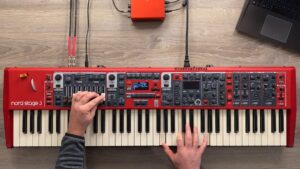
- Wendy Carlos “Switched on Bach” featuring the Moog synthesizer, among other modular electronic sounds, brought the synth directly into people’s homes via the turn-table and record. She geniously paired 250-year-old familiar compositions with brand new innovated tech in a way that opened up a whole generation of ears to the possibilities and scope of digital music
- Herbie Hancock was an incredible musician and performer, and creator. His vision for the future of digital music was famously on display in his iconic album Headhunters: Head Hunters was a key release in Hancock’s career and a defining moment in the genre of jazz, and has been an inspiration not only for jazz musicians, but also to funk, soul music, jazz funk, and hip hop artists.[2] The Library of Congress added it to the National Recording Registry, which collects “culturally, historically or aesthetically important” sound recordings from the 20th century
- Billy Preston – an incredible collaborator across numerous genres during the late 60s and throughout the 70s. Famously Billy joined the Beatles to give the fab 4 an extra fab 5th instrument, the Fender Rhodes on 2 albums
- Stevie Wonder – highlighted the Hohner Clavinet in much of his early work, creating what would become the signature Stevie Wonder sound. Also a prolific writer, composer, and collaborator in the music industry
- Suzanne Ciani though potentially not a household name at the time (or nowadays), Suzanne was in fact, at the vanguard of creating film scores and compositing music for pinball machines (like Xenon) using the latest in technology
Songs where the keyboard really shines
- A short clip of the Goldberg Variations by JS Bach (1685-1750) on a miniature pipe organ which was the predecessor (along with harpsichord) of the piano
- Green Onions by Booker T and the MGs featuring Hammond M3 Organ
- Shake a Tailfeather by Ray Charles, featuring a Fender Rhodes
- Running up that Hill by Kate Bush featuring Fairlight CMI synthesizer and encapsulating the 80s synth-wave sound
- Jump by Van Halen featuring the Oberheim OB-X keyboard/synthesizer
- Take my breath away by Berlin which features the distinctive Yamaha DX-7 FM synthesizer
- Ocean to Ocean by Tori Amos featuring the iconic Wurlitzer (next to a rather gorgeous Bosendorfer grand piano)
- Blinding Lights by The Weeknd features the retro sound of a Roland Juno 60, combined with modern music sensibilities
These are fun reference points you can explore at home, and great inspiration for setting lesson goals.
Meet Your Keyboard Instructors
Marco Walraven
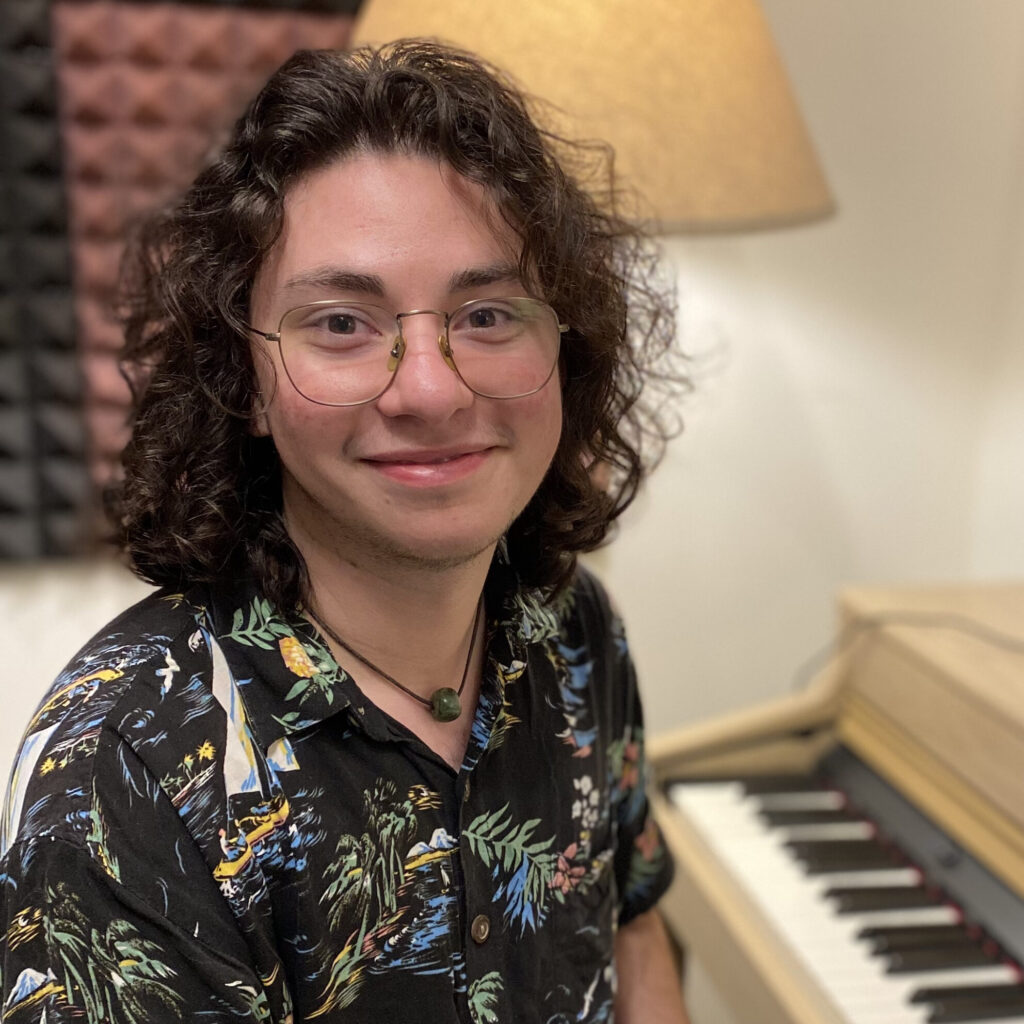
Instruments: Voice, Piano, Guitar, Bass Guitar, Ukulele, Composition, Songwriting, Jazz Theory
Marco Walraven Diaz De Leon, is a multi instrumentalist currently finishing up a Bachelors of Applied Music at VCC majoring in Voice and minoring in piano and songwriting.
Marco teaches voice, piano, guitar, ukulele, and songwriting. Students of any age, from beginner to intermediate skill set are invited to join Marco to commence their music journey.
He can teach in both English and Spanish.
Sarah Jay Cawston
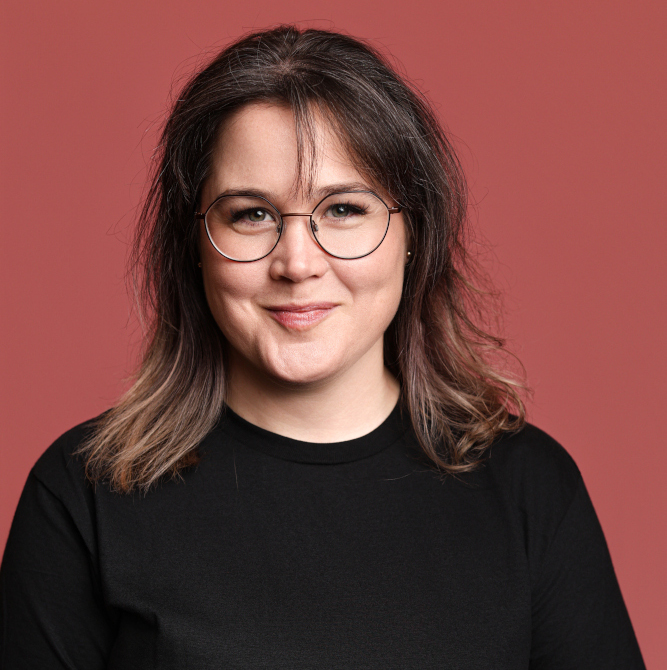
Instruments: Piano, Trumpet, Beginner Low Brass
Sarah HAS LIMITED SPOTS REMAINING
Teacher Sarah is a multi-instrumentalist, who began her musical journey on piano and trumpet at age of 11. Students of any age looking for their very first exposure to one-on-one music lessons are welcome to start out with Sarah. Sarah is a great lover of music, and hopes to instill a sense of commitment to and enjoyment during lessons as well as encourage self-expression in her students.
Anxhela Janaqi
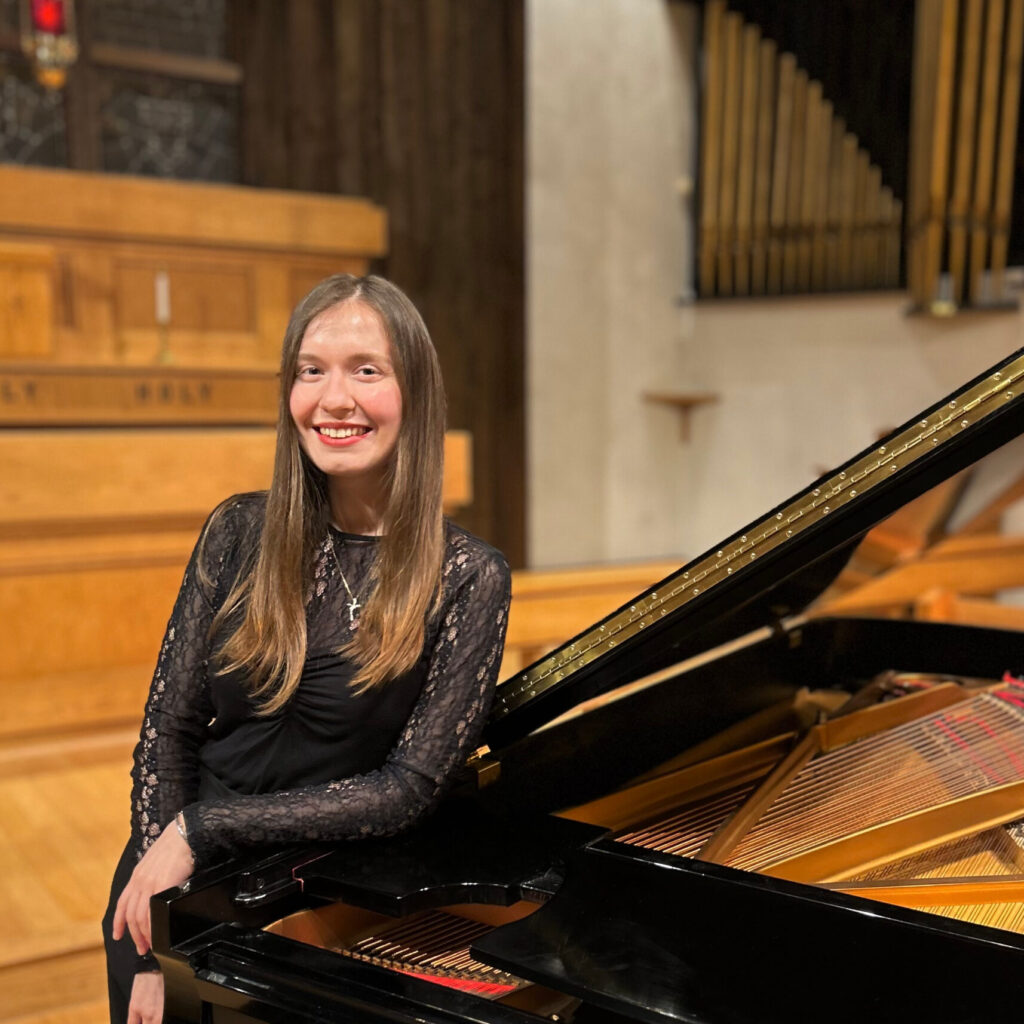
Instruments: Piano, Harmony, History, Theory
Anxhela Janaqi is a passionate and experienced piano teacher with a strong commitment to fostering a love of music in her students. Anxhela has over seven years of experience teaching children, adolescents, adults, and university students. She has taught in three different countries, performed in several venues, and collaborated with professionals and students. With her supportive learning environment, her students thrive in RCM exams, festivals, and competitions.
Kelsey Luo
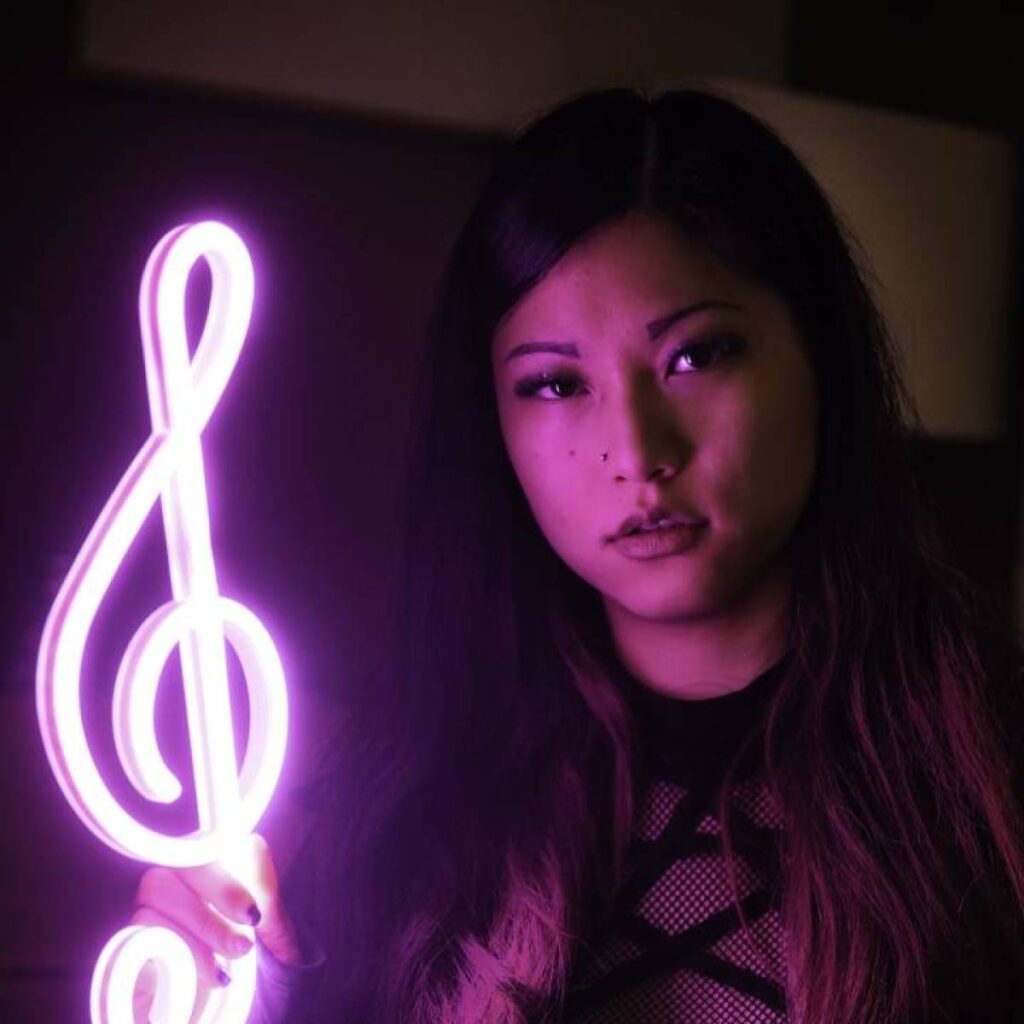
Instruments: Voice, Extreme/Unclean Vocals, Piano, Songwriting, Theory
KELSEY HAS LIMITED SPOTS REMAINING
Kelsey Luo is a passionate modern rock/metal musician, music instructor and session vocalist, with a unique skill set of extreme vocals (metal screams). She is passionate about seeing the growth within her students from when they start their first lesson, to the progress they make throughout their music journey. She works with beginner to advanced students of any age.
She can teach in both English and Mandarin.
Adrianna La Chimea
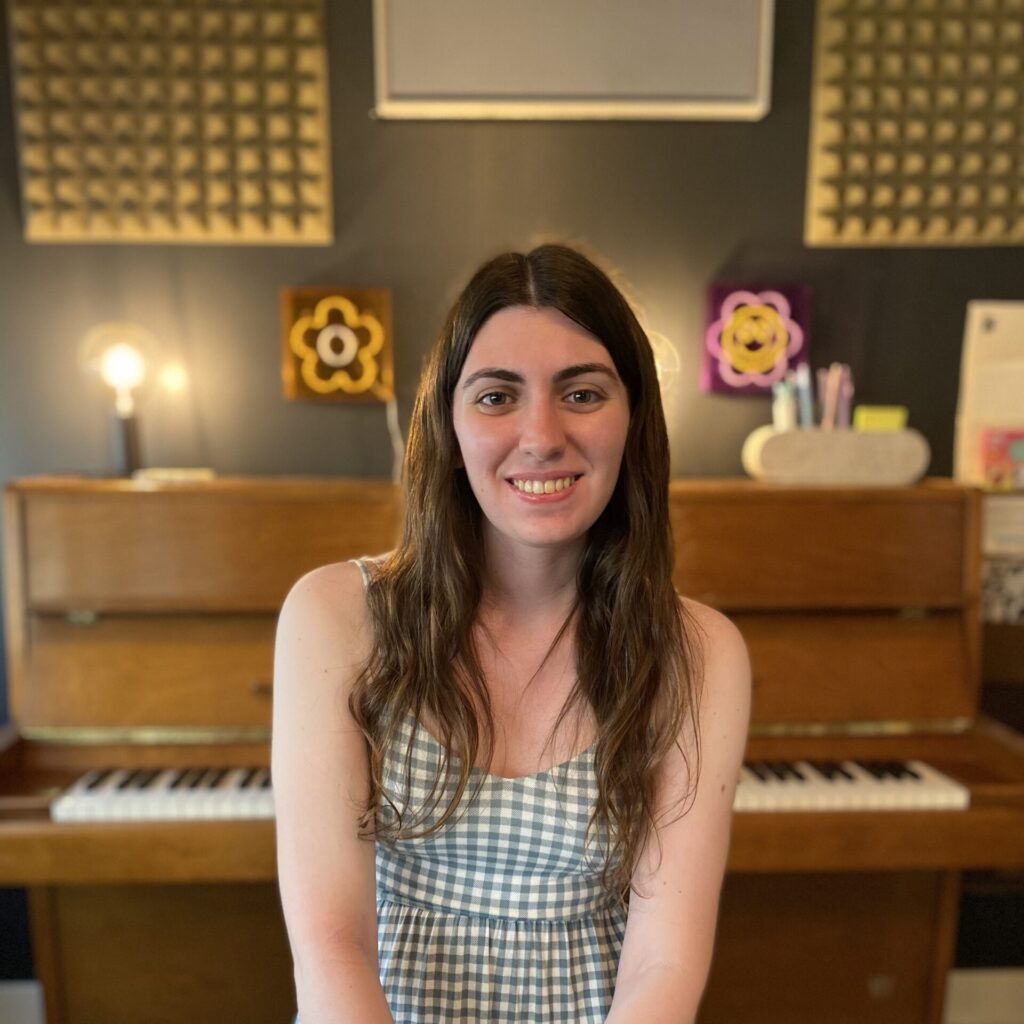
Instruments: Piano, Harmony, History, Theory, Beginner Ukulele
Adrianna La Chimea is a Vancouver-based pianist with 17 years of experience playing classical piano including 5 years of jazz/pop piano. Recently, she received her Bachelor of Applied Music from VCC and completed the Music Diploma program back in 2023. She welcomes beginner, intermediate, and advanced piano students in either Classical or Jazz piano into her classroom.
Adrianna is our travelling teacher, and makes weekly in-home visits on Tuesdays and Wednesdays.
Sign up Now!
Embark on your journey today!
Excited to start? Book your first lesson in our easy online calendar with just a few clicks —getting started is simpler than you think!
Not sure where to start? Let’s chat about your goals and the best fit. We’d love to help!