Learn, play, and grow with bass lessons for kids, teens, and adults at Pleasant Mountain Music.
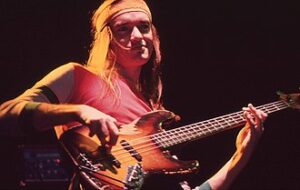
Pleasant Mountain Music is proud to offer bass lessons in Vancouver for all ages and experience levels. Whether you’re slapping the bass for the first time, or you are a regular Jaco, we’ll meet you wherever you are at. Our instructors help you build excellent foundational skills while keeping lessons fun and encouraging.
About Bass
- Ideal for: anyone who loves keeping a steady beat but also getting funky
- Great because: bass backs up and lays down grooves for all kinds of bands. Though less common, singing and playing bass can absolutely unlock new sonic possibilities
- Lesson options: In person lessons at our Granville Street studio. Remote and in-home lessons are also possible. We also have youth and adult rock bands requiring bass.
- Common styles: most famous in Funk, Jazz and Rock music, but all styles of music will have some sort of need for low end sounds which can be provided by the bass
- Space/noise needs: Modern amps have all kinds of effects and settings that can sound huge without actually being that loud in a physical space. The benefits of electric bass is being able to play with headphones so the overall volume during practice is kept to a minimum. Although basses are generally slightly larger than electric or acoustic guitars, they are still very portable and often come in a soft bag which means you can wear it like a backpack to your lesson or to a gig
It’s all about that bass
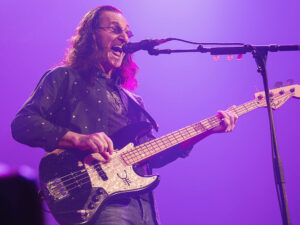
Bass is a very important instrument for every kind of music, but it’s contribution can vary drastically. Some bass players play very simple bass lines and let the rest of the band go crazy. Other bass players are very flashy and take the bass to wild sonic places.
Getting started on bass can be done very quickly, as some of the most famous bass lines are actually quite simple. The biggest hurdle is building your hand strength to push down the larger strings of the bass and your dexterity to create complex rhythms on the strings.
You may have noticed that the notes of the bass are further apart than on the guitar. This is a challenge for younger players or adults with smaller hands. Fortunately, short scale basses are available that reduce hand strain. As a student grows they can definitely switch to a larger bass to match your natural hand side, but there is no real musical or technical downside to a short scale bass: just know that there are fewer purchasing options compared to a standard bass.
After learning the basics, there is a lifetime of complexity that can be unlocked on this seemingly simple instrument.
Getting Started & Instrument Costs
The classic electric bass has been largely unchanged since it was developed by Leo Fender in the 1950s. Unlike other acoustic or electric instruments, there isn’t actually that big of a difference between a less expensive or older bass compared to a new bass. A new bassist can easily get started on just about any bass (even grandmas dusty 4-string found in the attic!). Modern bass amps are also smaller and lighter than ever, while still retaining great sound.
What you’ll need for your first lessons:
- Instrument type/size: Just about any bass can be played by a beginner. Definitely consider a short scale bass if you find that to be more comfortable. Make sure to have your bass set up by a professional. A bass with high action, the distance from the strings to the fret board, will be much harder for a beginner to start on. You’ll also want to acquire an amp in order get acquainted with the amplified bass guitar sound.
- Basic accessories: Tuners, straps and other accessories are pretty cheap. Picks are optional depending on the sound you want. Your instructor can help you narrow down what accessories are required at what point in your learning process.
- Practice space: Low notes can carry through walls and floors more than higher notes, which can rattle your neighbours. Fortunately most modern amps will have headphone options, bringing the volume down to almost nothing except just the sound in the room. Be mindful of the volume level of those headphones though…youth and adults alike can be at risk for hearing damage if the headphones are set all the way up every time you practice.
Typical starter investment:
- Entry-level / rental: Squier Bass Packs will see you up and running with a decent bass and amp for under $600, but you may want to consider splitting up your purchase to unlock more options. A used bass will be cheaper and probably just as good. Plus rentals are incredibly reasonable, starting sometimes as low as $20/month for the instrument. Definitely check Marketplace and your local pawnshop or music store for bargains if you’d like to keep your start-up cost to less than $600.
- Intermediate instruments (after perhaps year or two): More specialized basses can range from $500 – $2000 (for the instrument alone). These include 5 or 6 string basses as well as fanned frets and other bells and whistles. Other methods of changing up the sound of the bass is the use of effects pedals. There are lots of options for pedals, though bass pedals are a less common than pedals for an electric guitar. It’s important to note that while there are some really neat options for intermediate to advanced bass guitars, many bass players stick with the classic 4-string electric bass configuration for years, as 4-strings, ultimately, are sufficient to keep those tasty bass lines going.
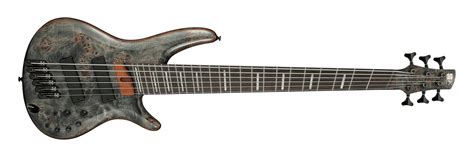
We’re always happy to recommend brands, local shops, or rental options so you don’t overspend or buy something that will actually interfere with your learning goals.
How Lessons Work: Learn / Love / Live to Play
Learn to Play – Solid foundations
In our Learn to Play stream, we focus on building reliable technique and musicianship. Nearly every student will fall under this category at some point in their music journey. Learn to Play at Pleasant Mountain Music means our instructors help set you up for success to play music as a solo artist, or as a part of a band! In lessons with PMM you’ll work on:
- Technique – hand position, rhythm patterns, scale patterns
- Reading – Guitar tablature (shortened to “tab”) is often enough for bass players to learn most styles of music, but jazz or prog rock students may benefit from also learning standard musical notation for more complicated pieces
- Repertoire – the options for bass repertoire are very expansive. Nearly every genre of music conceivable makes use of some form of bass part. The most common go-to repertoire choices for the beginner North American student however, include Rock and Roll, Rhythm and Blues, Funk, Jazz, and Pop music
- Optional exams – Traditional examinations aren’t as common for Bass compared to other instruments like piano or violin, but there are some courses available to those who pursue classical (upright/acoustic bass) or jazz bass (acoustic or electric). Generally folks who play bass will find themselves performing solo in a Festival-type atmosphere like the Kiwanis International Music Festival, or at Open Mic Nights, and Recitals to gain their stripes.
The Learn To Play stream is great for students who like structure, clear milestones, and/or who want to start or join a band, participate in school band class or ensembles, or pursue post-secondary programs.
Love to Play – Play for joy
In our Love to Play stream, we design lessons around where and why you actually want to play. That might include:
- Learning specifically your favourite song or style
- Playing along with backing tracks or jamming with friends
- Prepping for your annual ‘we’re getting the band back together’ jam session or show
- Providing you basic theory, as needed, to support your goals
- Offering you low-pressure performance opportunities (only if you want them)
The Love to Play stream is perfect for students who want music as a creative outlet without the pressure of exams, competitions, or too many public performances.
Live to Play – Preparing for the professional path
For students ready to take things further, our Live to Play stream of study helps you move from “pretty good” to “gig-ready”. Live to Play students will master:
- Advanced technique and repertoire
- Audition and performance preparation
- Studio and session-recording skills (including actual studio experience)
- Songwriting, arranging, or improvisation (if relevant)
- Career guidance on next steps including: auditions, gigging/touring band life, recording, post-secondary studies, teaching the bass, and more.
Hear It in the Wild: Stars & Songs
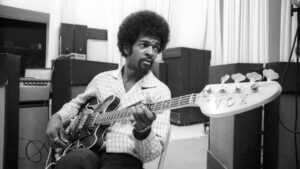
Artists who put bass in the spotlight
- Carol Kaye – Considered one of the most heard but least recognized names in music, Carol played bass on over 10,000 recordings during her career…legendary. As part of the Wrecking Crew, she crafted famous bass lines on some of the biggest hits of all time.
- Larry Graham – Larry is credited for inventing the funkiest move in music, slapping the bass. Interestingly, he initially did this because he didn’t have a good amp and this was the simplest way to make his bass sound louder. He was also a member of the legendary band Sly and the Family Stone, the first mixed-race, mixed-gender chart-topping band
- Flea – Founding member of Red Hot Chili Peppers, Flea’s bass pyrotechnics lay down the foundation for the rest of the band to go crazy
Songs where [instrument] really shines
- “Come Together” – The Beatles – Even though they often seen as just a basic pop-rock group by modern ears, The Beatles have many tasty bass lines in their repertoire that are especially useful for the beginner to intermediate player to fully appreciate how integral the bass is to holding a band together
- “Jerry Was A Race Car Driver” – Primus – Les Claypool from Primus plays and sings some of the most complicated parts ever recorded…for better or worse
- “Dean Town” – Vulfpeck – Joe Dart of Vulfpeck is current reigning champ among bass nerds. Dean Town is essentially a bass solo, where the rest of band gets to play too
These are fun reference points you can explore at home, and great inspiration for setting lesson goals and jumping off points for your own unique music journey.
Meet Your Bass Instructors
George Halpern
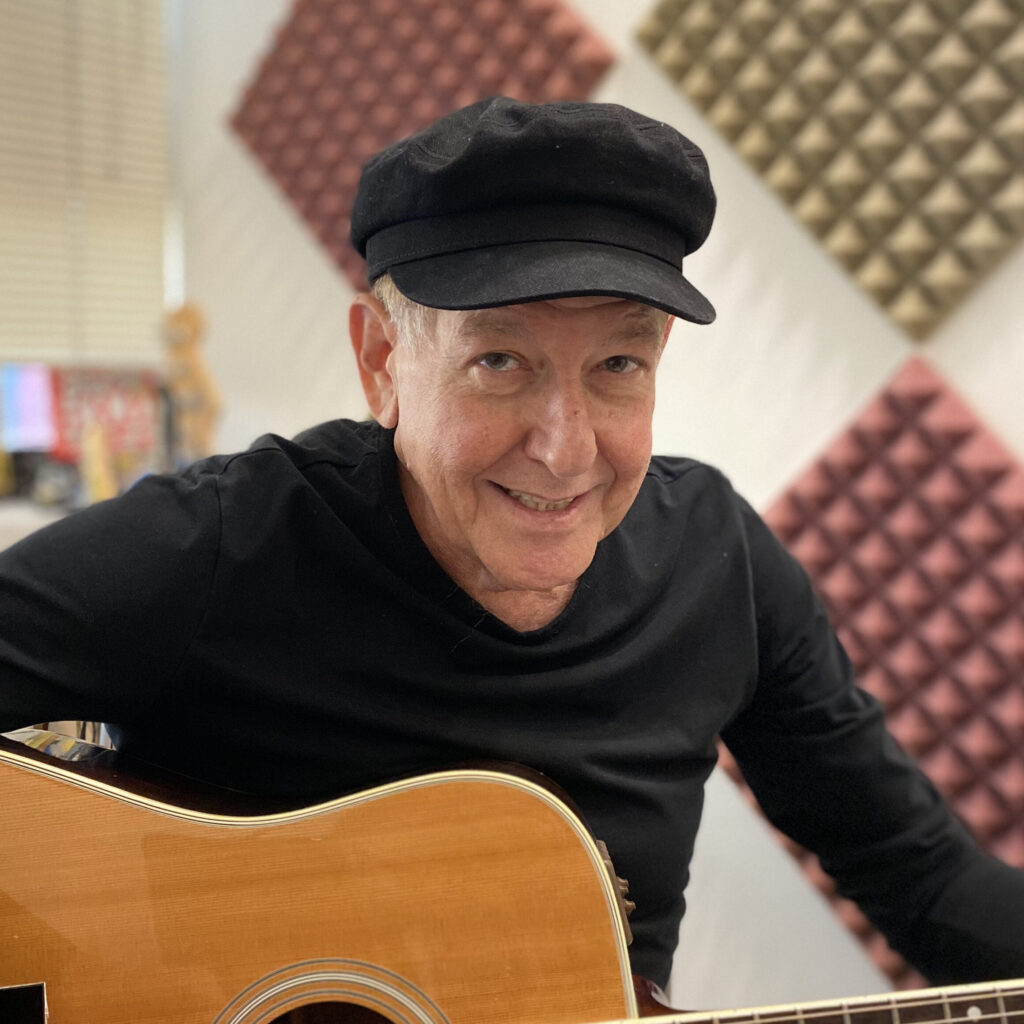
Instruments: Electric Guitar, Acoustic Guitar, Bass Guitar, Composition, Songwriting, Theory, Ukulele
GEORGe IS CURRENTLY FULLY BOOKED
George Halpern has forged his reputation as “Georgie Bones”, best known as a skilled blues guitarist, singer-songwriter and mean harmonica player. He’s performed all over Canada for audiences of one to one million! George teaches bass guitar, electric guitar, acoustic guitar, ukulele, and harmonica. He is fluent in instructing most styles and genres and he welcomes students of any age or skill level to take lessons with him.
Hugo Ornelas
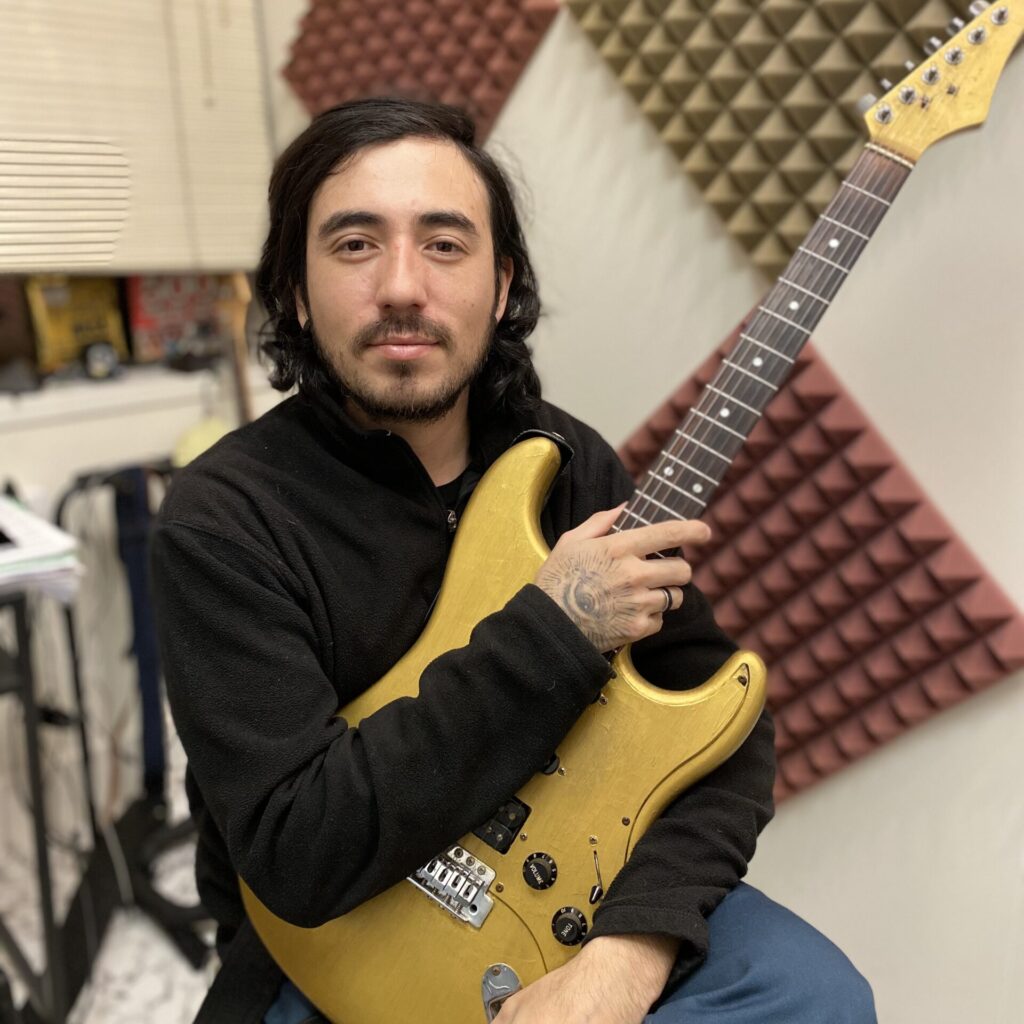
Instruments: Electric Guitar, Acoustic Guitar, Bass Guitar, Songwriting, Ukulele
Hugo Ornelas is a passionate musician and educator who has been active in the music industry since 2013, touring, recording, and teaching. With a deep love for the six strings, he inspires and encourages others to find their unique artistic voice and self-expression.
Marco Walraven
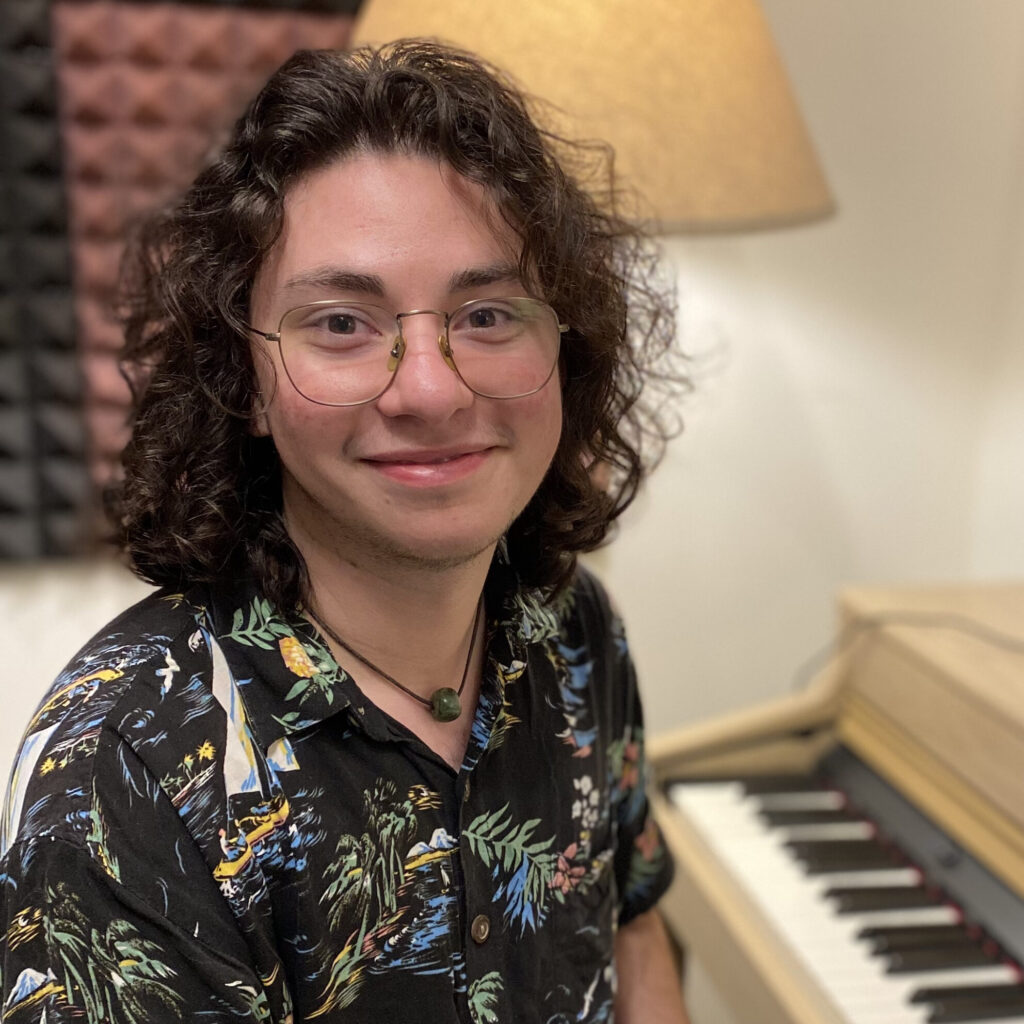
Instruments: Voice, Piano, Guitar, Bass Guitar, Ukulele, Composition, Songwriting, Jazz Theory
Marco Walraven Diaz De Leon, is a multi instrumentalist currently finishing up a Bachelors of Applied Music at VCC majoring in Voice and minoring in piano and songwriting.
Marco teaches voice, piano, guitar, ukulele, and songwriting. Students of any age, from beginner to intermediate skill set are invited to join Marco to commence their music journey.
He can teach in both English and Spanish.
Sign up now!
Embark on your journey today!
Excited to start? Book your first lesson in our easy online calendar with just a few clicks —getting started is simpler than you think!
Not sure where to start? Let’s chat about your goals and the best fit. We’d love to help!