Learn, play, and grow with guitar lessons for kids, teens, and adults at Pleasant Mountain Music.

Pleasant Mountain Music is proud to offer guitar lessons in Vancouver for all ages and experience levels. Whether you’re strumming chords around the house, blasting out punk power chords, or shredding a face-melting solo, we’ll meet you wherever you are at. Our instructors help you build excellent foundational skills while keeping lessons fun and encouraging.
About Guitar
- Ideal for: musicians of all ages and skill levels can enjoy playing guitar. If you already plan an instrument, guitar can add new sonic layers and new ways of approaching music.
- Great because: singer/songwriters can get their ideas out quickly and efficiently. Playing in bands either as a front-person or a supporting role is always in demand. Guitar adds wonderful layers to all kinds of music
- Lesson options: In person at our Granville Street studio. Remote or in home lessons are also quite easy to arrange for guitar
- Common styles: Most famous because of rock, folk, blues, and jazz, but nearly all styles of music can feature guitar in some fashion
- Space needs/noise: Guitar takes up very little square footage. It can be hung on the wall even! Also it is a very portable instrument. A backpack style soft case means you can bring it anywhere. They are pretty lightweight, especially acoustic guitars. For electric guitars (or electro-acoustics) there are also new high tech amps that are incredibly small but still produce that full arena-sound. Playing with headphones also brings the sound level down to almost nothing since (at least for electric guitars) there’s no resonance when the instrument isn’t plugged into the amp. Acoustic guitar will always have a slightly higher minimum volume since it’s own body is the resonance chamber, however it’s not really possible to get uncomfortably loud with a purely acoustic guitar.
While My Guitar Gently Weeps
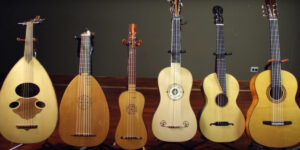
The roots of the modern guitar go back as far back as the medieval period, where many different string instruments, such at the lute and oud, were developed. The first version of what we might recognize as an acoustic guitar was developed in Spain around the 16th century.
The electrification of the guitar in the 1930s changed the entire world, musically. One person with an electric guitar and an amp could be as loud as an entire orchestra. This allowed singer/songwriter types to perform solo in a way that was impossible before. The effects that developed alongside the electric guitar also allowed for a sonic landscape that could not be made any other way without electrification.
Guitar is a great choice for a budding musician. For younger students, or adults with smaller hands or arms, a 3/4 size guitar can be just as good as a full size one. A 3/4 acoustic will be a bit less resonate than a full size one, since it’s resonance chamber is smaller. However, there won’t be much difference at all in the sound of a 3/4 size electric guitar compared to full size electric. And of course all guitars are rather portable since they are light enough to carry in one hand, and can be put into a gig-back that you can carry like a backpack. It’s relatively inexpensive to get a good guitar new or used, that will last you quite a long time. Our studio manager Chris still plays the guitar he got when he was 14! (Why it’s painted gold remains a mystery however).
Getting Started & Instrument Costs
Getting started with the guitar is very easy. Any music shop will have a great selection to choose from. You can go with a standard electric or acoustic, but for just a bit more money you can get an “intermediate” guitar that will be more personalized to your taste. There are also many second hand guitars to be found on Marketplace, at pawn shops or in garage sales, but make sure to have them professionally adjusted before you dive into regular practice. The most common problem on used or older guitars is when the action, or the height of strings compared to the neck, is too far. This can make pushing the strings down very difficult and can be discouraging for new players since it can cause strain.
What you’ll need for your first lessons:
- Instrument type/size: Most guitars come in a standard size, but 3/4 size ones can be more comfortable for younger players or smaller people. Thinner-bodied acoustic guitars are also possible if you have a hard time reaching around the full size ones. Most guitar stores will have at least a few smaller options to try. Nylon strings on an acoustic guitar is a great starting point.
- Basic accessories: There are a wide range of guitar accessories but not all are necessary at the very beginning. We find that after starting lessons on the guitar, that each trip to the store results in a few $5 – $30 purchases, at least for a little while. Some of these trips are optional, but can also be quite fun. We recommend keeping a few of the options for birthdays or other gift-giving opportunities. Picks, cables, guitar stands and straps, and food rests, all contribute to your personalized setup. Capos and slides can unlock new sounds and playing techniques, along with effect (FX) pedals.
- Practice space: Guitar can be played pretty much anywhere. An electric guitar played through headphones makes very little noise outside of a minimal amount of picking or strumming, and the music-making possibilities with amps and laptops are endless. Generally they don’t take up much floor space though it’s nice to have a dedicated area in the home to use for practice (bedrooms are great for doubling as practice areas!). A reminder that acoustic guitars will make a bit more noise, but also have a lower max volume than electric guitars plugged into amps.
Typical starter investment:
- Entry-level / rental: A decent entry level acoustic or electric guitar can be found for around $400. You may find that jumping up to the $600 – $800 range allows for a lot more selection to suit your tastes. Many guitar shops provide rentals, allowing you to try a few different styles before committing to your axe
- Step-up instrument (after a year or two): A more serious guitar will generally start around $1000 – $1500. You can also pay infinitely higher should you opt into the collectors aspect of owning the instrument. On the other hand, Prince famously had a guitar for his whole career that he claims to have gotten for $30 at a gas station so really, price alone doesn’t determine how much you’ll enjoy playing your guitar
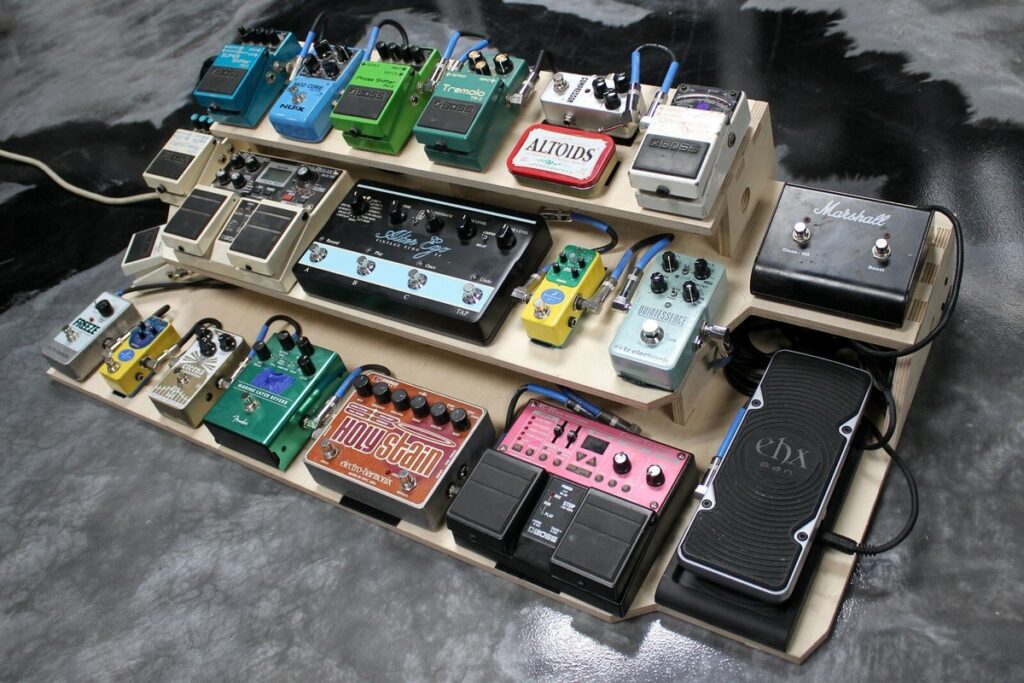
- Effects: Guitar effects are a world of their own. There are many, many, MANY options for pedals, ranging from handmade boutique single-effect units, to massive multi-effect boards. It can be a bit overwhelming to start with, especially when you hear stories about veteran guitar players spending hours noodling with their pedals. So don’t feel like you need to have pedals figured out right away. Software like Garage Band has many of the most common pedal types built, which can help with your individualized exploration of FX pedals
We’re always happy to recommend brands, local shops, or rental options so you don’t overspend or buy something that will hold you back.
How Lessons Work: Learn / Love / Live to Play
Learn to Play – Solid foundations
In our Learn to Play stream, we focus on building reliable technique, a good ear, and musicianship skills. You’ll work on:
- Technique – basic to intermediate chord shapes, chord voicing, pentatonic scales, and tone control
- Notation – most guitar players find guitar tab, a simplified form of notation, to be an extremely beneficial skill. So our instructors are happy to help guide students through tab. Standard sheet music can still be learned and is commonly found in classical guitar studies
- Repertoire – There are many method books for guitar players to ensure you have a graduated experience to learning proper music theory while also rocking out.
- There are exam options for classical guitar.
This stream is great for students who like structure, clear milestones, or who want to pursue exams, school ensembles, or post-secondary programs.
Love to Play – Play for joy
In our Love to Play stream, we design lessons around what you actually want to play. That might include:
- Learning favourite songs and styles
- Playing along with backing tracks or jamming with friends
- Basic theory as needed to support your goals
- Low-pressure performances (if you want them)
Perfect for students who want to play guitar as their creative or expressive outlet without the pressure of exams or competitions.
Live to Play – Preparing for the professional path
For students ready to take things further, our Live to Play stream helps you move from “pretty good” to “gig-ready”:
- Advanced technique and repertoire
- Lead Guitar and Rhythm Guitar practice
- Improvisation and solo technique
- Audition prep and performance skills
- Studio recording and session work practice
- Songwriting and/or arranging (if relevant)
- Guidance on career steps: booking auditions, joining bands, touring experience, busking, songwriting, recording gigs, or post-secondary options
Hear It in the Wild: Stars & Songs
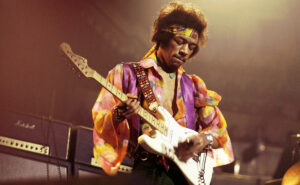
Artists who put guitar in the spotlight
- Jimi Hendrix – One of the first true guitar superstars, Jimi’s name is still synonymous with shredding on the guitar. He played left-handed, but used a regular guitar flipped upside down, demonstrating the versatility of guitar.
- Joni Mitchell – Joni shows us the beautiful hues and softer side of guitar through finger picking and her folk-rock songwriting. She proves that singing and playing an acoustic guitar can launch a very successful music career.
- John Mayer – One of the more recent guitar virtuosos, John Mayer plays tasty acoustic songs and shreds hard on the electric.
Songs where [instrument] really shines
- “Eruption” – Van Halen – The second song of their first album, Van Halen exploded onto the rock scene with Eruption. Guitarists have been studying this solo and learning it’s advanced techniques ever since.
- “Killing in the Name” – Rage Against the Machine – Tom Morello of Rage Against the Machine was one of the most popular and most unique guitar players of the 90s. Their debut album, produced and engineered by Vancouver recording legend GGGarth, is still used as an example of high end engineering to this day.
- “Yellow Ledbetter” – Pearl Jam – Mike McCready of Pearl Jam has many all time guitar solos. In Yellow Ledbetter, he channels Jimi Hendrix to deliver a legendary guitar performance.
These are fun reference points you can explore at home, and use as great inspiration for your own music journey or for your lesson goals.
Meet Your Guitar Instructors
George Halpern
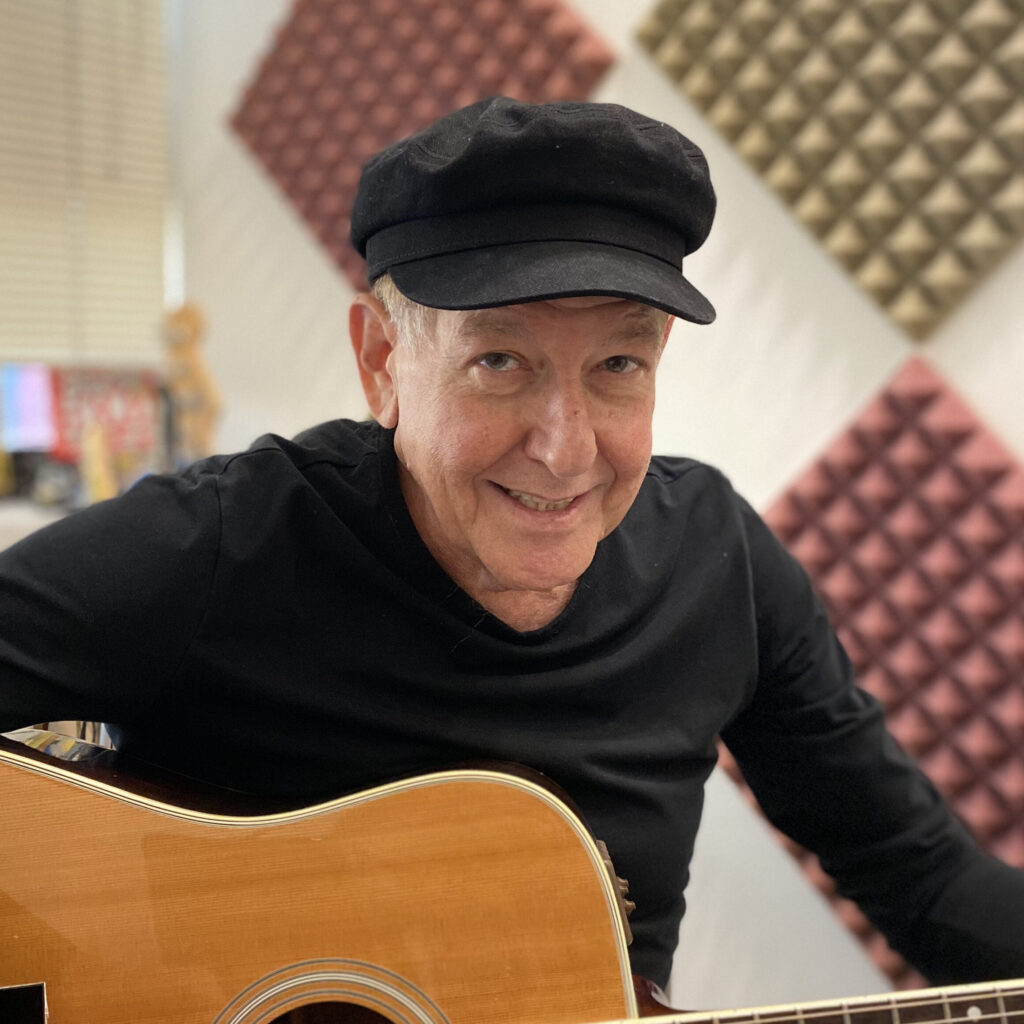
Instruments: Electric Guitar, Acoustic Guitar, Bass Guitar, Composition, Songwriting, Theory, Ukulele
GEORGe HAS LIMITED SPOTS REMAINING
George Halpern has forged his reputation as “Georgie Bones”, best known as a skilled blues guitarist, singer-songwriter and mean harmonica player. He’s performed all over Canada for audiences of one to one million! George teaches bass guitar, electric guitar, acoustic guitar, ukulele, and harmonica. He is fluent in instructing most styles and genres and he welcomes students of any age or skill level to take lessons with him.
Hugo Ornelas
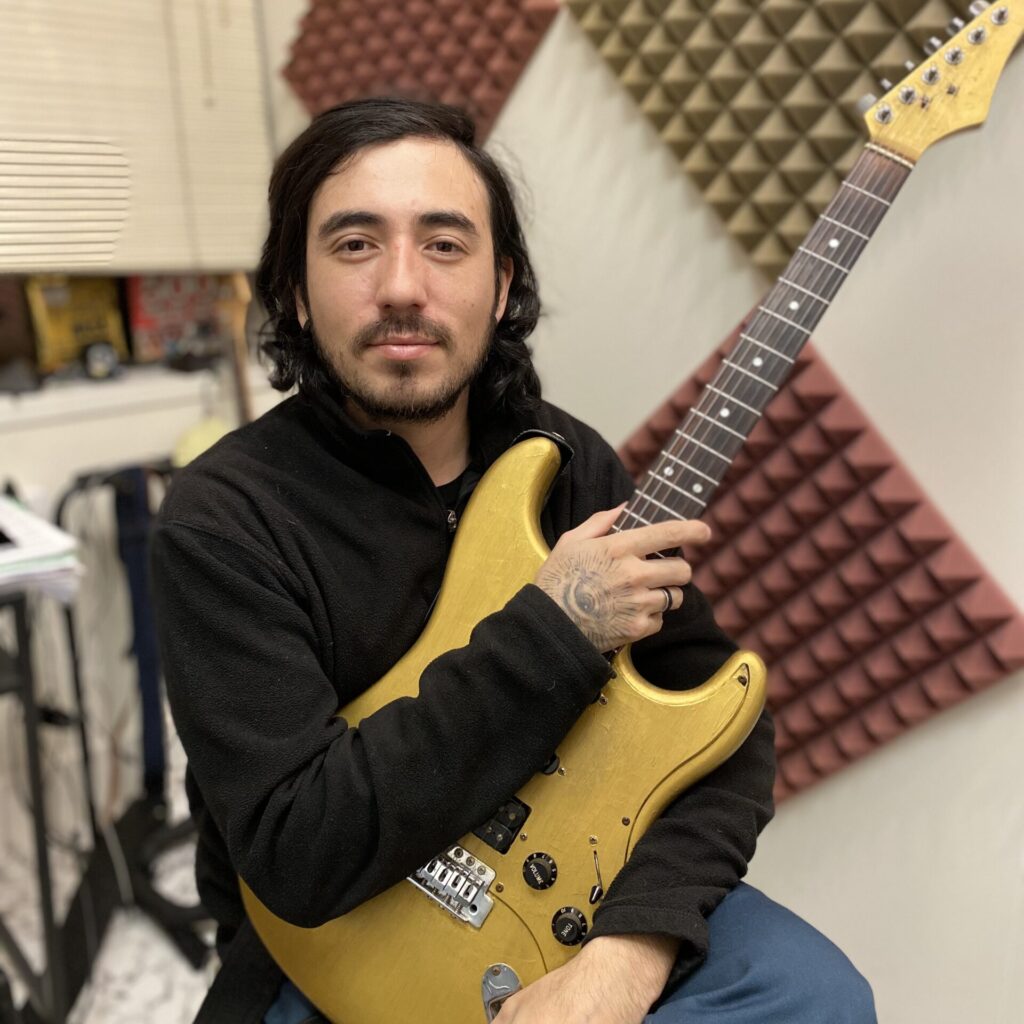
Instruments: Electric Guitar, Acoustic Guitar, Bass Guitar, Songwriting, Ukulele
Hugo Ornelas is a passionate musician and educator who has been active in the music industry since 2013, touring, recording, and teaching. With a deep love for the six strings, he inspires and encourages others to find their unique artistic voice and self-expression.
Richard Pinto

Instruments: Voice, Guitar
Richard teaches voice and guitar, blending technical precision with the style and groove of Pop, R&B and other contemporary genres. Richard’s goal is to help singers and players alike discover their unique
sound and confidence.
Sign up now!
Embark on your journey today!
Excited to start? Book your first lesson in our easy online calendar with just a few clicks —getting started is simpler than you think!
Not sure where to start? Let’s chat about your goals and the best fit. We’d love to help!