Learn, play, and grow with Violin lessons for kids, teens, and adults at Pleasant Mountain Music.
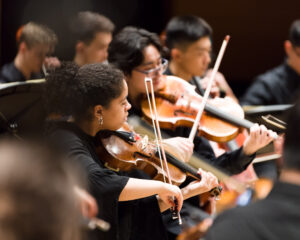
Pleasant Mountain Music is proud to offer violin, viola, and fiddle lessons in Vancouver for all ages and experience levels. Whether you’re just starting out, you’re returning after a long break, or prepping for your next concerto, we’ll meet you wherever you are at. Our instructors help you build excellent foundational skills while keeping lessons fun and encouraging.
About The violin
- Ideal for: all ages of people including young beginners (ages 4-6), people who don’t know where to start their music journey and for anyone who already has previous playing experience but would like to learn a new instrument
- Great because: you can busk as a solo act, enjoy ensemble music in a symphony, or add wonderful lines of melody to any band
- Lesson options: We offer in person lessons at our Granville Street studio. We also have 1 traveling teachers who will come teach violin at your home serving the Kerrisdale, Kitsilano, and Dunbar areas of Vancouver
- Common styles: Violin is a very versatile instrument. You’ll hear it in video game music, film and television, more traditional genres such as Baroque, Classical, Romantic, Impressionist, as well as jazz, and musical theatre orchestras. Fiddle-style playing can be heard in lots of Atlantic/Celtic music groups as well as rockabilly and street busking genres
- Space/noise needs: Most violins are acoustic (though electric violins and fiddles are available, and are gaining popularity). As a result of being it’s own resonance chamber, the sound will carry though. So to keep the peace with the neighbours we recommend practicing during hours most people are likely awake, and avoiding the midnight or 3am practice sessions. In terms of space, your violin can be stowed easily inside a case under the bed, or leaning against the wall, or if you have a wall mounted holder, that would work well too.
What This Instrument Is Like (background + where you hear it)
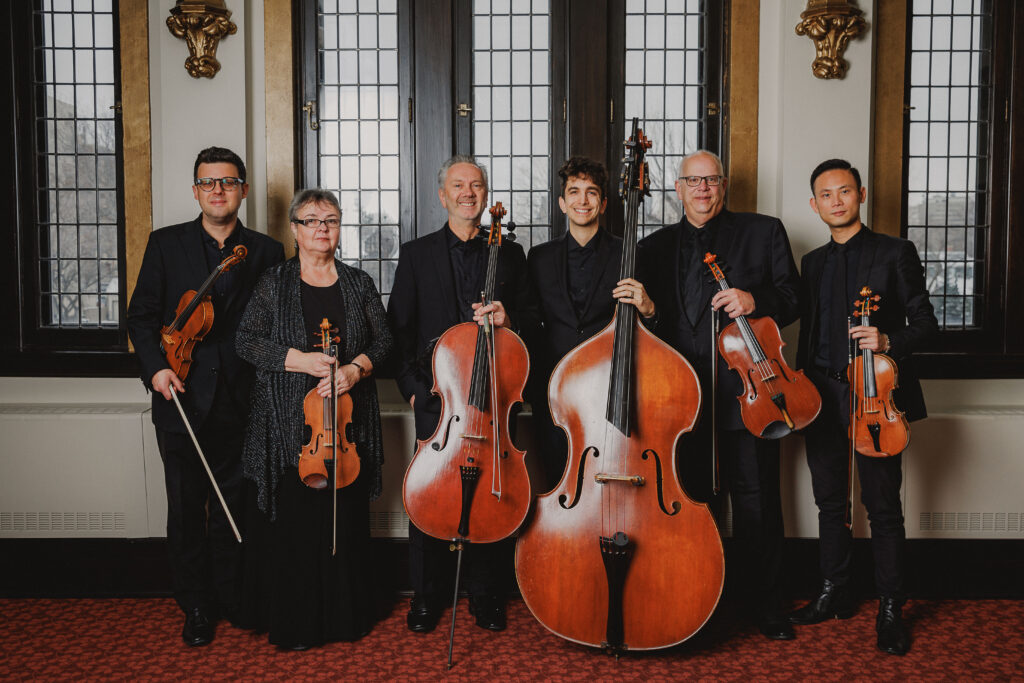
Violins are important instruments in a wide variety of musical genres. They are most prominent in the Western classical tradition, both in ensembles (from chamber music to orchestras) and as solo instruments. Violins are also important in many varieties of folk music, including country music, bluegrass music, and in jazz. Electric violins with solid bodies and piezoelectric pickups are used in some forms of rock music and jazz fusion, with the pickups plugged into instrument amplifiers and speakers to produce sound. The violin has come to be incorporated in many non-Western music cultures, including Indian music and Iranian music. The name fiddle is often used regardless of the type of music played on it.[1]
The violin was first created in 16th-century Italy, with some further modifications occurring in the 18th and 19th centuries to give the instrument a more powerful sound and projection. In Europe, it served as the basis for the development of other stringed instruments used in Western classical music, such as the viola.[2][3]
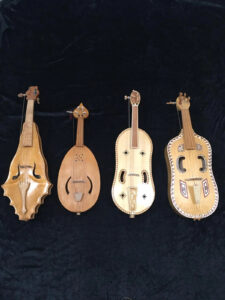
The oldest known ancestor of the violin is the ravanastron. It dates back to 5000BCE and was discovered on the island of Sri Lanka. The instrument had a single 22-inch string that spanned 3 octaves. This is an equivalent of the string length and tonal range of the 4 strings combined on a contemporary violin. The Rebec which dates back to the 10th century and was discovered in the Middle East is believed to be the first to be held under the chin when being played. It had 3 strings. The French Vielle is one of the earliest evolutions of Rebec. It was popular in the medieval troubadours and had 3 to 5 strings. It had a larger body and was much closer in shape and size to the modern day violin. Its ribs were shaped to allow easier bowing. Later on, the name Vielle was given another distinction; the Vielle-a-rue commonly known as the hurdy-gurdy.
Nowadays acoustic violins are standardized and typically are made of wood with nylon or steel strings. Electric violins can be made of acrylic, wood, kevlar, or combination of materials, but the key feature to a high quality sound is a high quality pickup.
Getting Started & Instrument Costs
You don’t need the “perfect” setup to start, just something that fits your budget and your space.
What you’ll need for your first lessons:
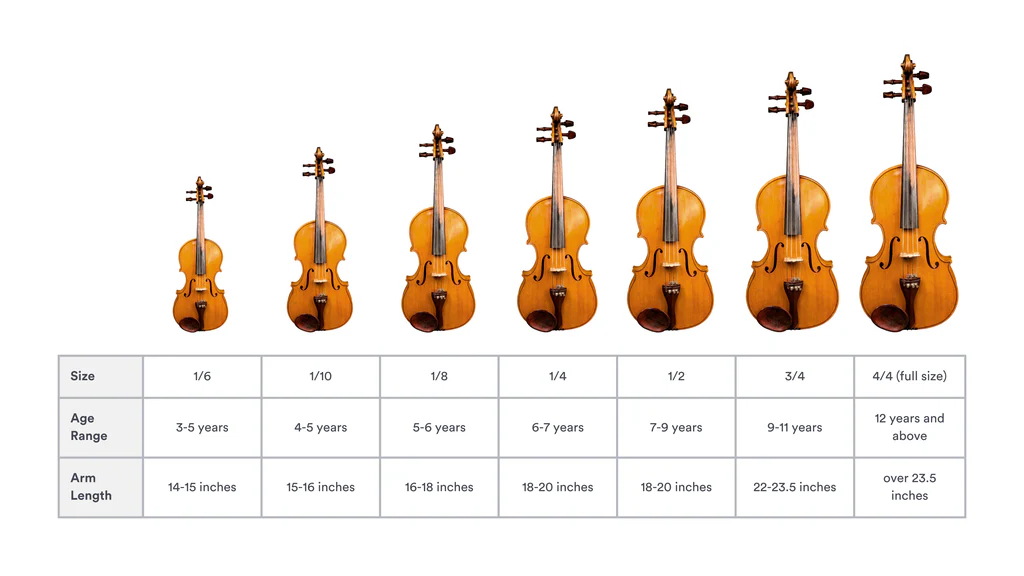
- Acoustic Violins: Since acoustic violins come in multiple sizes, be sure to get fitted before making any sort of “all-sales-final” type purchase. It’s wonderful that grandpa, or auntie passed down a violin, but if it’s a full size, and your child of 7 is learning to play, it will simply be too big. Keep it around though, since your child may eventually grow into it!
- Basic accessories: to play a violin you will require a few key accessories, the bow, rosin, a chin rest, a digital tuner, and importantly, a violin case. This is especially important to protect the instrument during travel! Finally, be sure to pickup a music stand for books and sheet music during home practice.
- Practice space: A dedicated space to playing will help make practice more appealing. We recommend a quiet corner of a living room, basement, or bedroom.
Typical starter investment:
- Entry-level / rental: since it’s so important to start on a correctly sized violin, we recommend renting the instrument for the first year or two if the student is your child. First of all, violin rentals are very reasonably priced, from $20-$50/month, and second of all, the child will inevitably grow out of it, and require the next size up. If you’re fully grown you may still take advantage of a rental program, since most allow for outright purchase whenever you decide the instrument is right for you. Tapestry Music, Tom Lee Music, and Long & McQuade Musical Instruments all offer rent, and rent-to-own programs for violins.
- Acoustic and electric violins: The price tag for new violins can range quite widely: from $900 to upwards of $15,000 depending on the brand. However used models can be found at local music retail stores, usually for between $350-$1,000 depending on make and model.
- Step-up instrument (after a few years): as mentioned the biggest change over the course of violin study is the size of the instrument. Getting fitted every couple of years until adulthood is a good idea to ensure the instrument is sized correctly for ease of playing. However, if you’re hoping to treat yourself or a loved one to an extra special instrument Tom Lee music, Tapestry Music, Vintage Violins, or House of Violins (to name a few) will help you make a choice.
We’re always happy to recommend brands, local shops, or rental options so you don’t overspend or buy something that isn’t a great fit for where you’re at in your music journey. Also the creators over at TwoSet Violin have done a very entertaining and educational video on violins
How Lessons Work: Learn / Love / Live to Play
Learn to Play – Solid foundations
In our Learn to Play stream, we focus on building reliable technique and musicianship. You’ll work on:
- Technique – hand shape, posture, gesture, scales, time signatures, rhythm, and tempo
- Reading notation – Sheet music is a core part of traditional violin methodology, so some basic understanding is incredibly helpful to build independent learning. This can be introduced gradually though so as to no get in the way of enjoying the process of playing
- Ear Training and Sight-Reading – other musicianship elements are introduced over time, such as listening for intervals, playing back short melodies given by the instructor, as well as ability to read sheet music effectively, on the first try
- Theory – Since reading sheet music is commonplace, basic theory is often mixed into lessons, even early on. Most method books, and any teacher worth their salt, however, will absolutely do their best to make the theory components fun, and easy to follow
- Repertoire – There’s so much to choose from when learning the violin, fiddle, or viola: cool jazz, epic Romantic-period etudes, virtuostic classical sonatas, toe-tappin celtic folk songs, as well as more contemporary genres than you could shake a fist at (film and television scores, pop music, rock and roll, and video game sound tracks)
This stream is great for students who like structure, clear milestones, and/or who want to pursue exams, school band, or eventually register for post-secondary music programs.
Love to Play – Play for joy
In our Love to Play stream, we design lessons around where and why you actually want to play. That might include:
- Learning specifically your favourite song or style
- Acquiring violin/viola/fiddle and general music appreciation skills
- Prepping for your annual ‘we’re getting the band back together’ jam session or show
- Providing you basic theory “as needed” to support your goals
- Offering you low-pressure performance opportunities (only if you want them)
- Songwriting and/or improvisation skills as desired
The Love to Play stream is perfect for students who want music as a creative outlet without the pressure of exams, competitions, or public performances.
Live to Play – Preparing for the professional path
For students ready to take things further, our Live to Play stream of study helps you move from “pretty good” to “gig-ready”. Live to Play students will master:
- Advanced technique and repertoire
- Audition and performance preparation
- Symphony orchestra training and/or first chair preparation
- Solo and improvisation training
- Studio and session-recording skills (including actual studio experience)
- Career guidance on next steps including: auditions, gigging/touring band life, recording, post-secondary studies, teaching the violin/viola/fiddle, and more
Hear It in the Wild: Stars & Songs
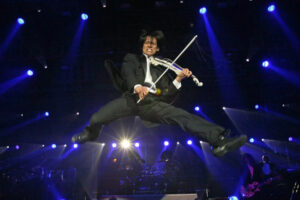
Artists who put violin or fiddle in the spotlight
- Antonio Vivaldi – an early composer and prolific writer for the violin
- Nicolò Paganini – a virtuostic player and composer, celebrated for his technique
- Wolfgang Amadeus Mozart – a musical prodigy that left a legacy of enchanting, evocative, and charming small and large scale violin and orchestral compositions
Songs where [instrument] really shines
- “Black Gypsy” – Eddie South a great Jazz fiddle/violinist
- “Honeysuckle Rose” – Stéphane Grapelli often referred to as the grandfather of jazz violin
- “Baba O’Riley” by the Who is a great example of classic Rock and Roll music featuring a plugged-in violin!
- Nova Scotia folk music champion and Canadian fiddler Ashley MacIsaac
- Trans–Siberian Orchestra featuring Asha Mevlana on violin, and giving some darker, metal, vibes to this virtuostic instrument
- “Halo Theme” Lindsay Stirling (with William Joseph on piano) creating magic with her violin
These are fun reference points you can explore at home, and great inspiration for setting lesson goals and jumping off points for your own unique music journey.
Meet Your VIOLIN Instructors
Sara Cruz
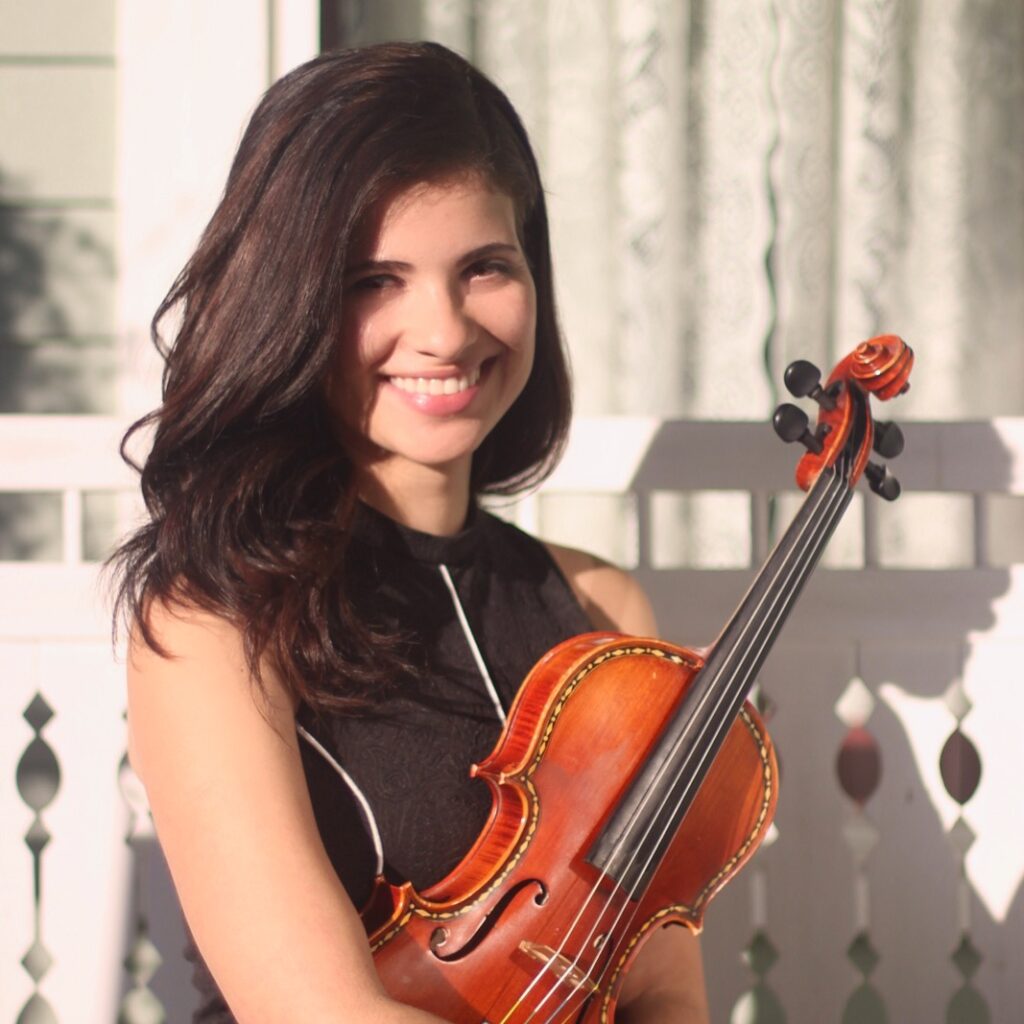
Instruments: Violin, Fiddle, Cello, Viola
Sara Cruz is a Brazilian violinist and arts administrator with a passion for nurturing creativity and curiosity in her students. She has taught and performed in the United States, Brazil, and now Canada, bringing a wealth of international experience to her teaching. She loves all facets of arts and music education and is dedicated to broadening her students’ horizons, exploring everything from classical repertoire to fiddle, pop, and film soundtracks. With her supportive and engaging approach, Sara helps students develop both confidence and artistry on the violin.
Sign up now!
Embark on your journey today!
Excited to start? Book your first lesson in our easy online calendar with just a few clicks —getting started is simpler than you think!
Not sure where to start? Let’s chat about your goals and the best fit. We’d love to help!